


A Canyon Country asking price tells only part of the story. Comparing recent sales with current competition, price changes, and time on market can help buyers and sellers make decisions with greater confidence. Here’s how to read those signals without relying on a single headline number.
Start With the Right Price Comparisons
In Canyon Country, two homes listed at similar prices can offer very different value. Size, condition, lot characteristics, location, and community costs all affect what a buyer may be willing to pay. Rather than treating one listing as a benchmark, look at a group of comparable homes and how each one performed.
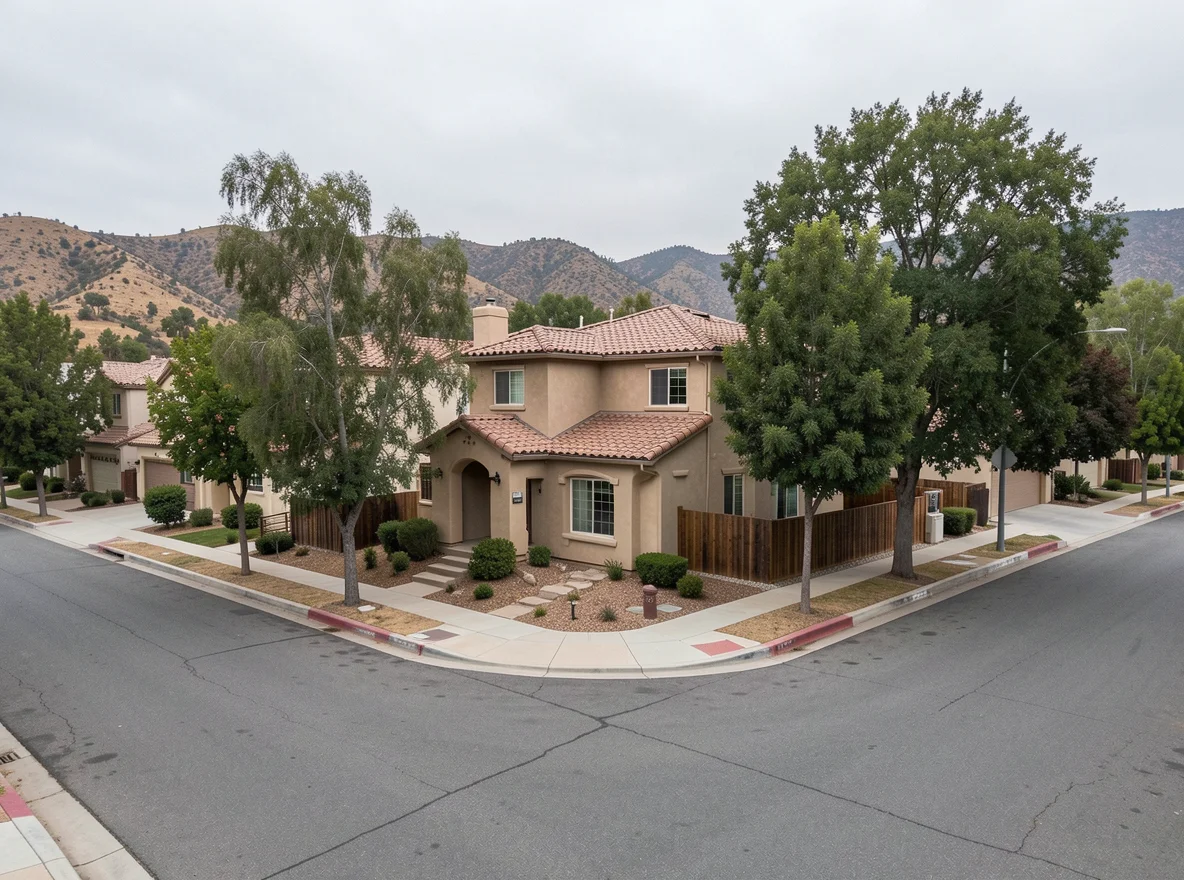
Recently closed sales show what buyers actually paid, while active listings show the choices available now. Pending sales can reveal which properties have attracted an accepted offer, although their final prices may not be public until closing. A useful comparison considers all three, with particular attention to homes of similar type, size, condition, and location.
When reviewing sales, ask how recently each transaction closed and whether the seller provided concessions, such as a credit toward closing costs. A sale price alone may not capture those details. Renovations, a pool, a view, or deferred maintenance can also make an apparently similar home less comparable than it first appears.
An asking price is a starting point, not a completed transaction. Compare it with recent closed sales and the homes competing for buyers today.
Median prices can be helpful for spotting broad movement over time, but they have limitations in a local market. If more higher-priced homes sell in one period, the median can rise even when individual home values have not changed by the same amount. Review the number and type of sales behind any reported trend before drawing conclusions.
Explore Canyon Country homes for sale
What Listings and Buyer Activity Can Tell You
Inventory is more than a count of available homes. The useful question is how many appealing alternatives exist for a particular buyer at a particular price point. A shortage of comparable properties can create different negotiating conditions than a market with several similar listings nearby.
Watch newly listed homes alongside properties that have been available for longer. A home that receives an accepted offer quickly may indicate strong demand for its combination of price, presentation, and features. A longer listing period may signal a pricing mismatch, a property-specific issue, or simply a smaller pool of buyers for that home. Neither outcome tells the whole story on its own.
Price reductions add another piece to the puzzle. Look at the original price, the size and timing of each change, and whether the property has gone under contract. An adjustment may bring a listing into line with comparable homes; it does not automatically mean the seller will accept any offer below the new price.
For a clearer picture of movement, compare new listings, pending contracts, closed sales, and price changes over the same recent period. Ask for figures specific to Canyon Country and, when possible, to the property type and price range you are considering. Current local data matters more than a broad national headline when the decision involves one home.
How Buyers Can Prepare
A useful search begins with a comfortable overall budget rather than a maximum purchase price alone. Along with the mortgage payment, consider property taxes, insurance, utilities, maintenance, and any homeowners association dues. Some properties may also have special assessments or Mello-Roos charges, so verify the costs for each address.
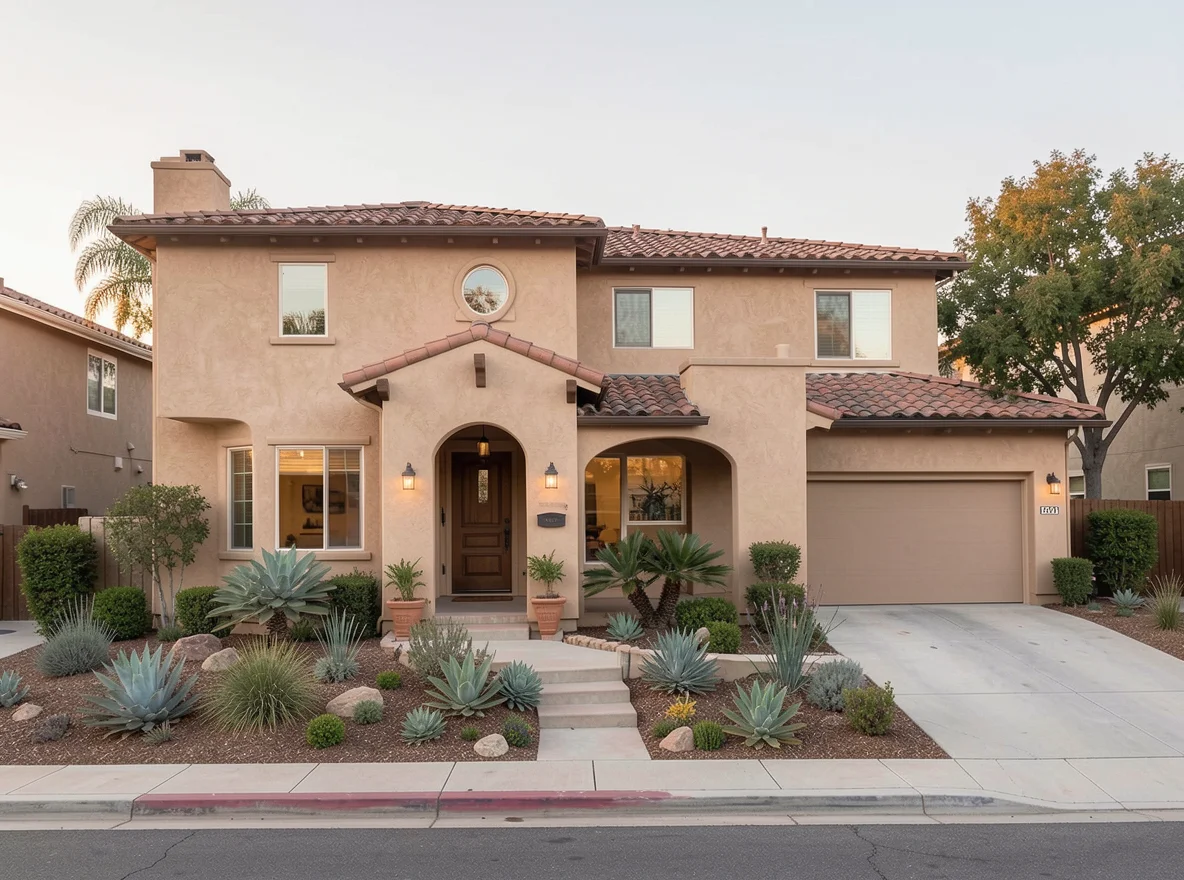
Before touring, speak with a lender about financing options and obtain an appropriate preapproval. Then compare homes using a consistent checklist: layout, condition, outdoor space, commute routes, and access to the amenities that matter to you. Check school assignments directly with the relevant district if they are part of your decision, since boundaries and programs can change.
Once a property stands out, review comparable sales and discuss an offer strategy with your agent. Price is important, but financing, contingencies, timing, and requested credits can also affect an offer. Keep room for inspections and other due diligence rather than assuming that a competitive offer requires overlooking the property’s condition.
Insurance is another item to investigate early. Availability, coverage, and premiums can vary by address and insurer, so request a quote and review the policy terms before removing applicable contingencies. For a property in or near an area subject to wildfire concerns, ask your insurance professional what information is needed to evaluate coverage.
How Sellers Can Read the Competition
For sellers, the most relevant competition is not every property in Canyon Country. It is the group of homes a buyer would realistically consider instead of yours. Review their asking prices, presentation, condition, and time on market, then compare them with recent closed sales to establish a supported pricing range.
Preparation can influence how a home is received. Start with necessary repairs, a thorough cleaning, and a plan for presenting the property clearly in photographs and showings. Your agent can help weigh the cost of improvements against their likely usefulness; not every project needs to be completed before listing.
After launch, evaluate feedback alongside measurable activity. Showing requests, repeat visits, offers, and changes in competing inventory can help inform the next step. If interest is limited, revisit the price and presentation together rather than assuming the calendar alone explains the result.
A pricing review is most useful when it compares your home with both recent sales and the listings buyers can choose from right now.
Choosing When to Act
There is no single market signal that can identify the right moment for every transaction. Buyers may weigh monthly affordability and the availability of suitable homes; sellers may consider their next move, preparation timeline, and current competition. Interest rates and inventory can change, so revisit your assumptions as your plans develop.
Ask for an updated local market review before making a decision. Kathy Watterson and her team can help interpret comparable sales and current listings in the context of your goals, whether you are preparing an offer or considering a sale.
Discuss your Canyon Country plans
The strongest decisions start with specific, current information. Look beyond a headline price, ask what has changed among comparable homes, and use those details to build a plan that fits your circumstances.
