


Valencia home prices and available inventory tell different parts of the same story: one reflects completed transactions, while the other reveals today’s choices and competition. Buyers can use both signals to make more focused offers, and sellers can use them to position a property thoughtfully from the start. The most useful market read is local, current, and connected to a specific home’s condition, location, and price range.
Why Price and Inventory Deserve Equal Attention
When people talk about the real estate market, the conversation often starts with home prices. That makes sense: a sale price is concrete, memorable, and easy to compare with a nearby listing. But price data is only one part of the Valencia picture. Inventory—the number of homes actively available for purchase—helps explain how much choice buyers have, how long a search may take, and how much competition a well-positioned listing may attract.
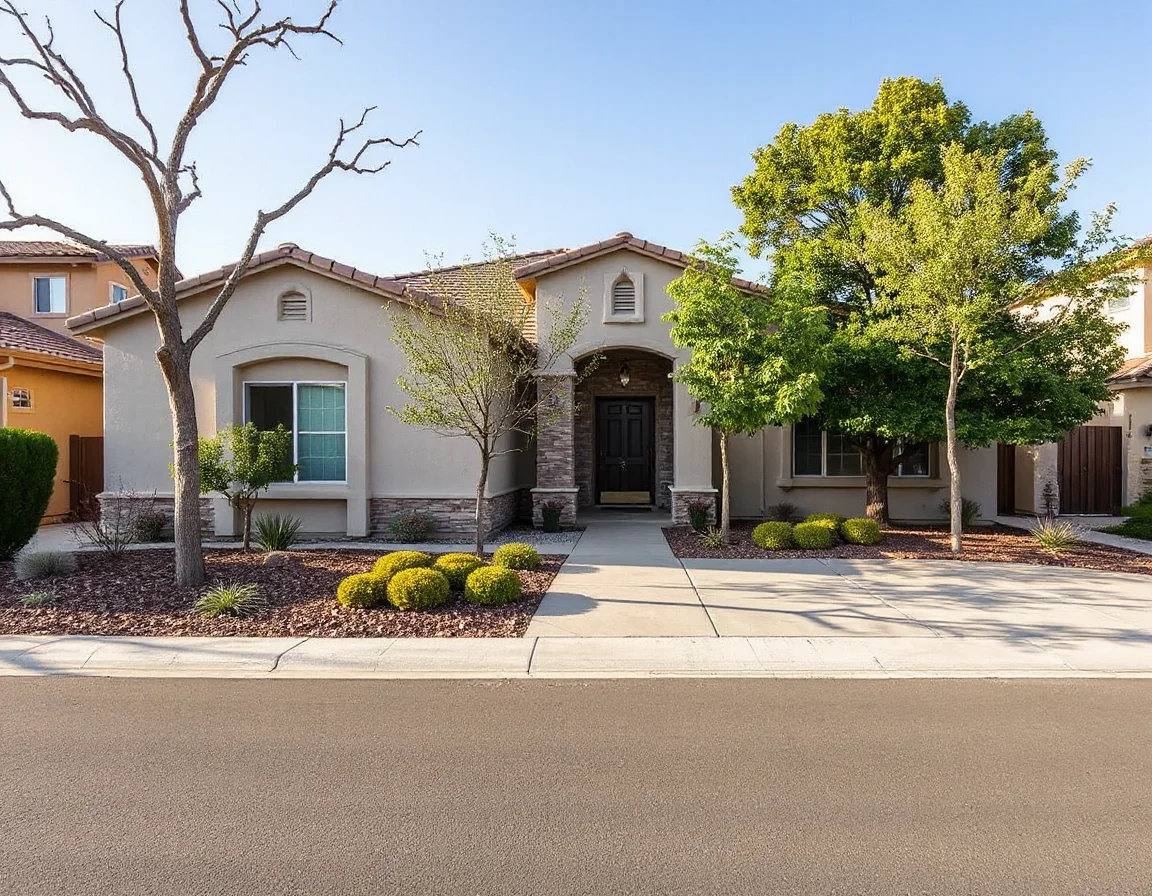
For buyers, a rising median sale price does not automatically mean every available home will receive multiple offers. Some properties may be priced above recent comparable sales, need updates, or sit in a price segment with more options. Conversely, a stable median price can still coincide with brisk competition when the most polished homes are limited. Looking at the number of active listings alongside recent pending and sold properties gives a more practical view of the current decision-making environment.
For sellers, inventory provides context for pricing and preparation. A home does not compete only with properties that sold last month; it competes with the listings a buyer can tour today. The condition, presentation, floor plan, lot features, HOA structure where applicable, and location within Valencia can all affect how a listing compares with the current selection. Thoughtful pricing starts with recent closed sales, then accounts for the alternatives buyers will see during the same week.
A listing can stand out in a low-inventory market, but limited supply is not a substitute for accurate pricing, complete preparation, and strong presentation.
It is also important to look beneath citywide averages. Valencia includes a range of housing types, from attached homes and townhomes to detached residences in communities with different ages, amenities, and association costs. A broad average may be useful for headlines, yet it should not be treated as a valuation for a particular address. Comparing similar homes with similar features is far more meaningful than relying on one market-wide number.
The Signals Buyers Can Use During a Search
Buyers benefit from tracking the pace of new listings, price adjustments, pending sales, and days on market in the areas they are considering. New inventory can create opportunity by giving buyers more properties to compare. At the same time, a fast-moving listing may show that a specific combination of condition, location, and price is resonating with the market. The goal is not to react to every headline, but to recognize the patterns within a buyer’s preferred home type and budget.
A useful routine is to compare each potential home with recent closed sales and currently active listings before writing an offer. Closed sales help establish what purchasers have recently paid, while active listings show the options still available. Pending homes can provide another clue about where demand is concentrating, although final sale terms are not public until the transaction closes. This approach turns a home search from a series of isolated tours into a clearer, evidence-based process.
Buyers should also keep room for property-specific due diligence. Review disclosures carefully, understand any HOA documents and fees, evaluate maintenance needs, and verify information that matters to the purchase decision. Market conditions can shape negotiating strategy, but they do not replace inspections, financing planning, or a close look at a home’s individual characteristics. A well-supported offer considers both the larger market and the property in front of you.
Search Valencia homes for sale
Timing can matter, but waiting for a perfectly predictable moment can be difficult in any market. New listings may arrive steadily, seasonally, or in short bursts. Buyers who have financing conversations completed, search criteria clarified, and a review process in place can evaluate a new listing with less pressure. That preparation supports a more deliberate decision when the right property becomes available.
How Sellers Can Read the Competition
For a seller, the active inventory is a live comparison set. Before coming to market, it is valuable to tour or closely review nearby competing listings, not just study their asking prices. How does the home’s natural light compare? Are updates recent or cosmetic? What does the photography communicate? Are there features such as outdoor living areas, storage, a flexible room, or an appealing view that deserve clearer emphasis? These questions help shape a listing plan rooted in what buyers will actually encounter.

Pricing is strongest when it is both strategic and explainable. The list price should reflect recent comparable sales, the current supply of similar homes, and the property’s particular strengths and limitations. An aspirational price may reduce early activity if buyers see more compelling alternatives at the same level. On the other hand, pricing too aggressively below the home’s supportable range can create uncertainty about value. The right approach is a documented recommendation that can be revisited as the market responds.
Presentation has an important role, especially when buyers are comparing several homes in one afternoon. Decluttering, addressing deferred maintenance, improving lighting, and creating a consistent visual story can help buyers understand the home’s spaces. Professional marketing should make it easy to see the layout, outdoor areas, and notable details without overpromising. Clear information and accurate disclosure build confidence as interest develops.
The first days on market offer valuable feedback. Showing activity, online engagement, buyer comments, and competing new listings can guide a timely response if the market signals a change is needed.
Sellers should expect market conditions to vary by price point. A home in one segment may receive strong attention while another segment has more choices and longer decision timelines. That is why local guidance should be refreshed just before launch rather than based solely on a report from earlier in the year. Current competition, recent closings, and the property’s readiness should all be part of the final conversation.
A Practical Valencia Market Checklist
Whether buying or selling, focus on the information that helps answer a decision-specific question. Buyers may ask whether comparable homes are appearing often enough to support patience, or whether a particular listing is priced in line with recent sales. Sellers may ask which current listings are their true competition and what changes would improve the home’s position. A local market review is most helpful when it moves beyond broad statistics and into those practical comparisons.
- Review recent closed sales with similar size, condition, location, and property type.
- Compare the home with active and pending listings, not just historical transactions.
- Watch days on market and price adjustments for the most relevant price range.
- Account for HOA dues, lot characteristics, upgrades, maintenance needs, and financing considerations where applicable.
- Revisit the plan as new inventory and buyer feedback enter the market.
Valencia’s market can change from one neighborhood pocket or property type to another, which makes a tailored approach valuable. Prices and inventory are not competing metrics; together, they show how value, choice, and buyer attention are interacting right now. With clear comparisons and a realistic strategy, buyers and sellers can make decisions with more confidence and less noise.
