

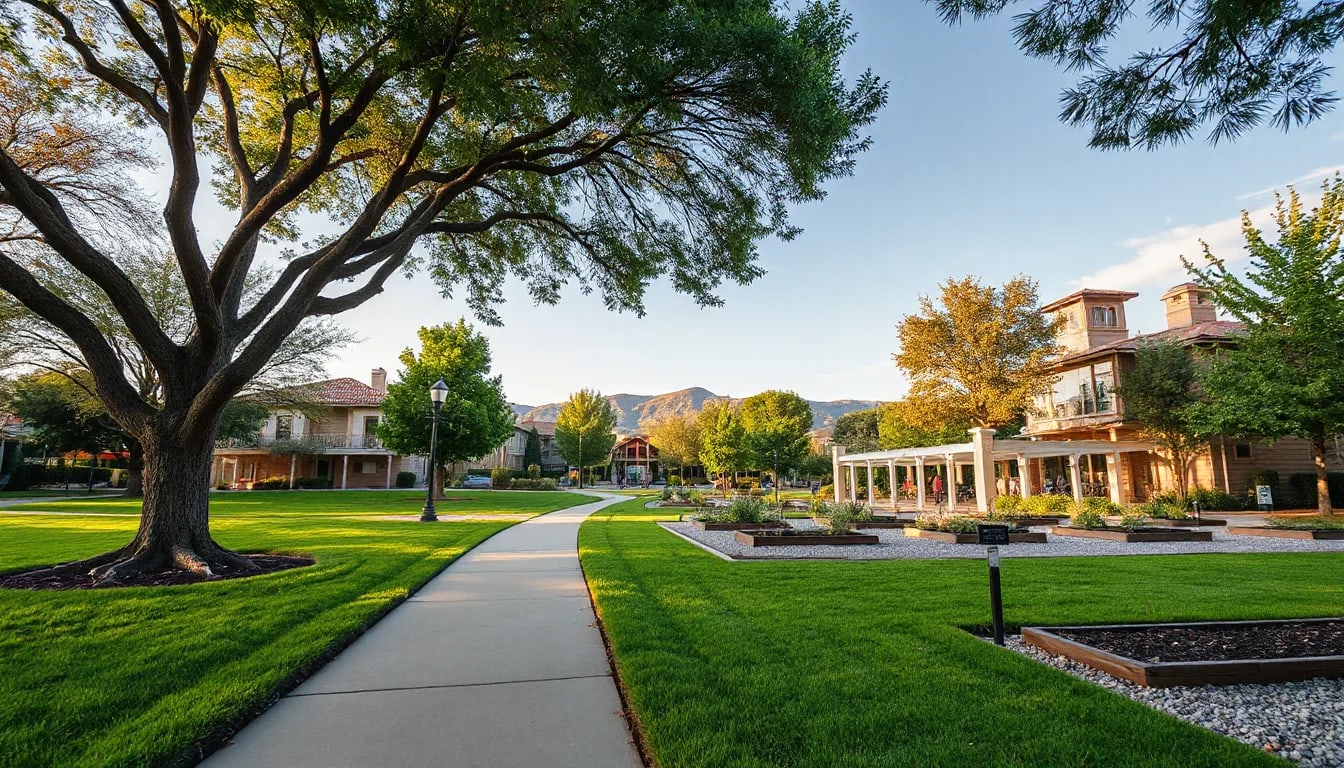
Santa Clarita offers a broad mix of trail systems, parks, everyday services, entertainment areas, and commuter routes across several distinct communities. This guide helps you compare practical location details—from the paseos of Valencia to hillside settings in Canyon Country and the access points around Newhall—so a home search can start with the places that fit your routine.
Start with the Valley’s Connected Outdoor Spaces
Santa Clarita is often experienced outdoors. The city’s network of paseos, neighborhood parks, open-space trails, and recreation areas creates many ways to move through the valley without relying on a single destination. Conditions, access points, and trail rules can vary by location and season, so it is helpful to visit the specific routes you expect to use and confirm current information with the managing agency.
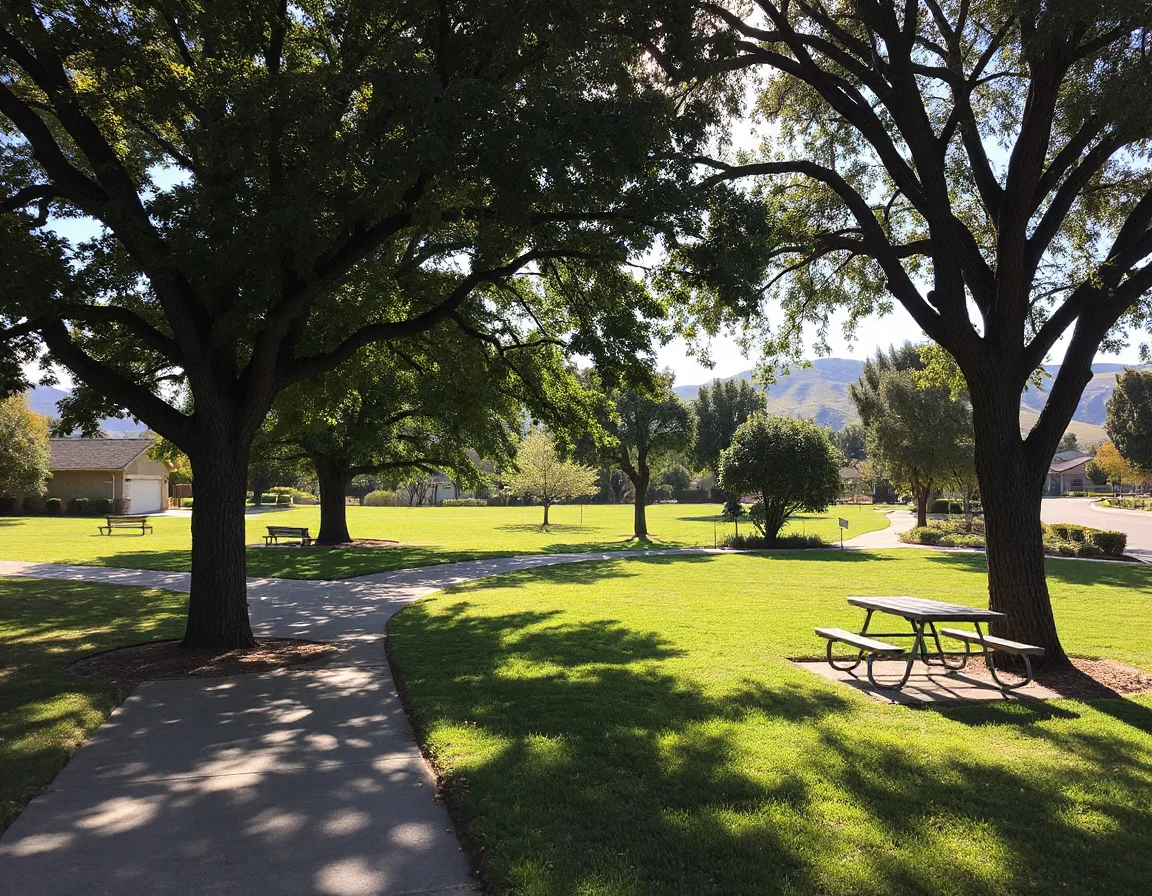
Valencia is widely known for its paseo system: landscaped pedestrian paths that connect portions of the community with parks, schools, residential streets, and retail areas. For a buyer, that can be a meaningful detail to evaluate at the block level. A home may be close to a paseo entrance, have a more direct route to a park, or sit farther from the paths while offering a different lot orientation or street layout.
Saugus also includes parks, trails, and access to the Santa Clara River Trail corridor, while Canyon Country offers routes that place nearby hills and open land more visibly into the daily landscape. In Newhall, historic areas, cultural destinations, and public spaces create a more established setting near the southern portion of the valley. Castaic and Acton introduce different scales of open space, road access, and property types, making an in-person visit especially useful.
A map can show distance, but a visit reveals grade changes, shade, parking availability, trail access, and the actual feel of a route at the time of day you expect to use it.
How parks and recreation factor into a home search
When comparing addresses, look beyond a simple “near a park” description. Ask whether the park includes courts, fields, play areas, picnic facilities, walking paths, or reservable spaces; whether it is across a major road; and whether the approach is comfortable on foot, by bicycle, or by car. These are objective location details that can affect how easily an amenity fits into a weekly routine.
Santa Clarita’s warmer, dry climate also makes outdoor maintenance part of the practical conversation. Lot size, irrigation systems, drought-tolerant landscaping, tree coverage, pool equipment, and shade structures can all shape ownership costs and maintenance planning. In hillside or edge-of-open-space locations, buyers should also review insurance availability, vegetation management requirements, and any applicable HOA or local regulations during due diligence.
Shopping, Dining, and Everyday Errands by Area
The valley offers a range of retail and service destinations rather than a single commercial center. Valencia includes large retail areas, offices, medical services, entertainment options, and grocery choices near major corridors. Newhall’s Old Town district brings a different rhythm, with arts, events, dining, and a historic streetscape that many visitors explore on foot. Canyon Country, Saugus, Stevenson Ranch, Castaic, and Acton each have their own patterns of nearby services and travel distances.
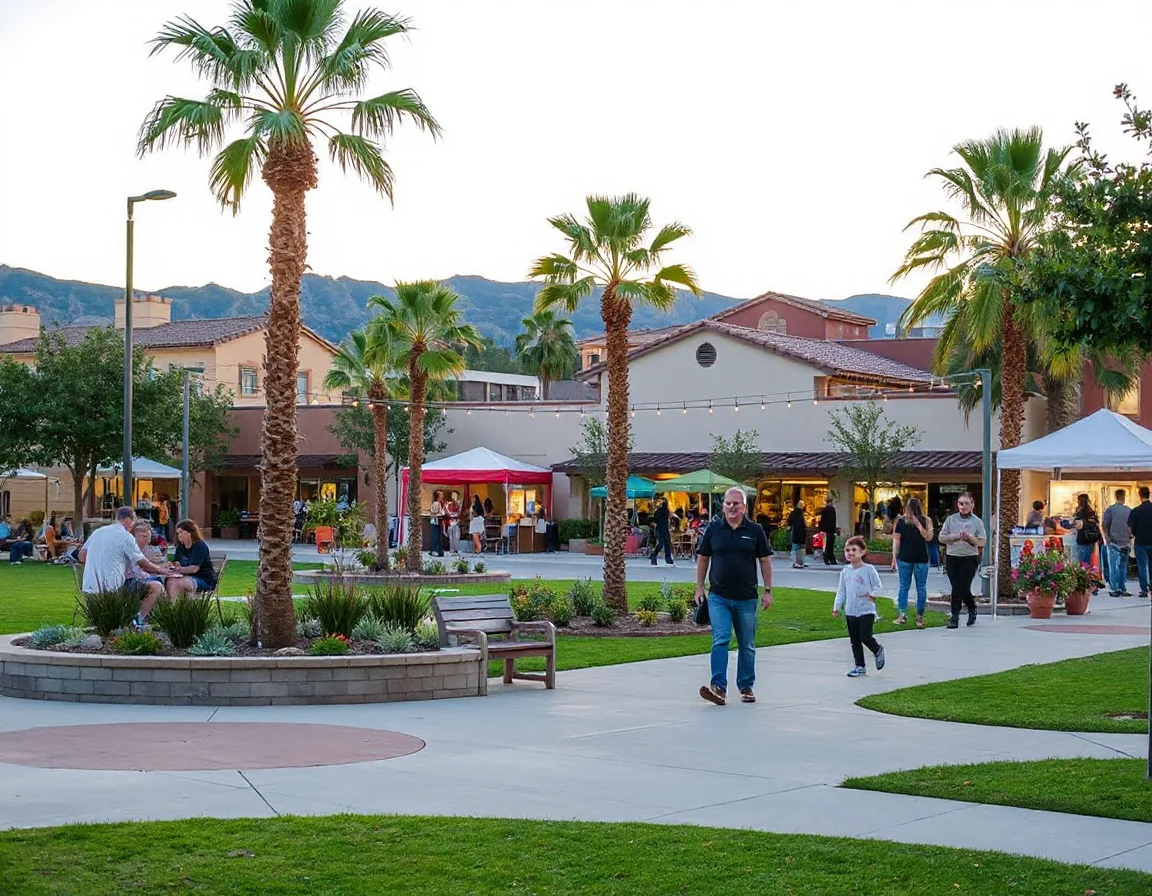
For day-to-day decisions, the key is not simply whether a grocery store or service is “nearby.” Consider the route from a specific home, the direction of peak traffic, parking patterns, and whether the trip combines naturally with work, school, recreation, or other regular stops. A location that appears close in straight-line distance may require a longer drive because of freeway crossings, hillside roads, or the local street network.
Entertainment and cultural programming are additional points of comparison. The Main in Newhall hosts performances and events, while the broader valley offers movie theaters, seasonal gatherings, sports facilities, and community programming. Schedules and offerings change, but these destinations add options for spending time locally without needing to travel outside the Santa Clarita Valley.
Homes near active commercial corridors may offer convenience, while properties farther into residential areas can have a different relationship to traffic, views, and lot configuration. Neither is universally better; the useful question is how the address supports the priorities you have identified. Touring at more than one time of day can clarify the difference.
Explore Santa Clarita neighborhoods
Commute Facts: Plan Around Routes, Not Assumptions
Santa Clarita’s primary commuter connections include Interstate 5, State Route 14, and Metrolink service from several local stations. These routes provide access toward Los Angeles, the San Fernando Valley, Antelope Valley, Burbank, and other regional employment centers. Actual travel times are variable and depend on departure time, destination, construction, incidents, weather, and the selected route.
A smart search process includes testing the commute from a prospective neighborhood at the hours that matter most. Check both outbound and return travel, review transit schedules directly with the operator, and account for the time needed to reach a station, parking area, or freeway entrance. Buyers considering Valencia, Newhall, Saugus, Canyon Country, Stevenson Ranch, Castaic, or Acton may find that the preferred route changes substantially from one community to another.
Within the valley, local circulation deserves attention too. A short drive to a freeway can be less useful if a particular intersection backs up during peak periods, and a home near a transit option may still require a separate first-mile plan. Comparing these details early helps narrow the search to areas that work on ordinary weekdays, not just on a relaxed weekend showing.
Matching property features to the way you use the area
Once a preferred location begins to emerge, shift from broad community research to property-level questions. Consider parking capacity, garage storage, outdoor space, bedroom and office flexibility, HOA rules, solar arrangements, age of major systems, and access to trails or services. In Santa Clarita, housing options range from attached homes and planned communities to single-family properties with varied lot sizes, rural-feeling settings, and hillside locations.
Market conditions also differ by price range, property type, and neighborhood. A well-prepared offer or listing strategy starts with current comparable sales, active competition, condition, timing, and the practical features buyers are weighing in that segment of the market. Local guidance can help turn a long list of possibilities into a focused set of homes and areas worth revisiting.
Use the Guide as a Starting Point
The best Santa Clarita location is not defined by one headline feature. It is the place where routes, amenities, outdoor access, home style, budget, and daily logistics come together in a way that feels workable over time. Visit more than once, test the roads, walk the nearby paths where available, and review each property’s disclosures and local requirements carefully. With a clear picture of how you want to use the valley, your search can become both more efficient and more informed.
